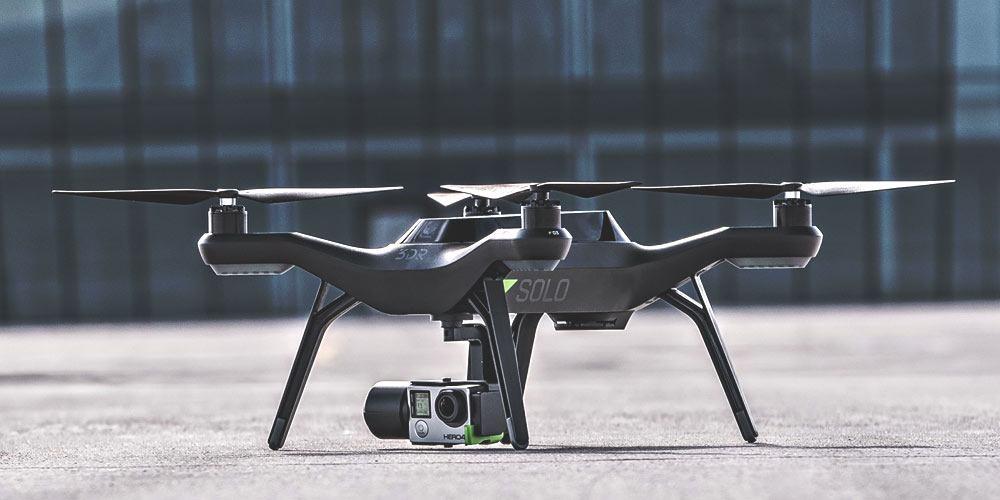
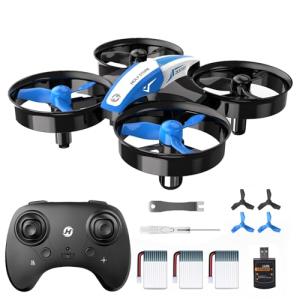
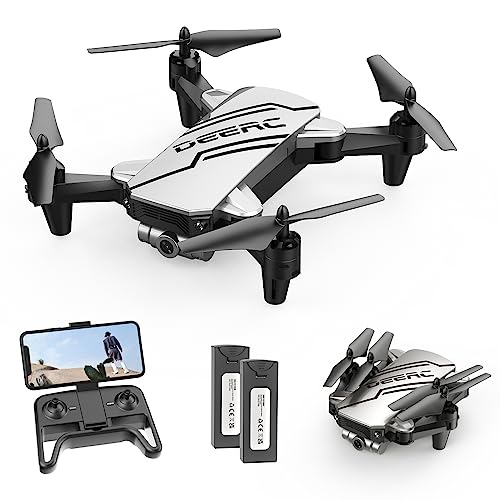
Beginner’s Guide to Drones: Everything You Need to Know About Flying Drones and the Top 3 BrandsDrones have transformed from niche gadgets into accessible tools for hobbyists, photographers, adventurers, and content creators. If you’re new to flying drones, the idea of piloting a camera-equipped quadcopter might feel intimidating—but it doesn’t have to be. With the right guidance, anyone can learn to fly safely, capture stunning aerial footage, and enjoy the thrill of exploring from above.This comprehensive guide is designed specifically for beginners. We’ll cover drone basics, essential safety and regulations, how to choose your first drone, step-by-step flying tips, and the top 3 drone brands worth considering. Whether you want to take family photos from the sky or simply enjoy the freedom of flight, you’ll finish this article ready to take off confidently. Plus, we’ll highlight practical products available at BigDroneStore.com to help you get started.What Is a Drone and Why Start Flying One?A drone, or unmanned aerial vehicle (UAV), is a remotely piloted aircraft powered by multiple rotors (usually four). Modern consumer drones feature GPS stabilization, cameras with gimbal stabilization for smooth video, intelligent flight modes, and return-to-home functionality that brings the drone back automatically if it loses connection.For beginners, drones offer:
- Creative freedom: Capture breathtaking landscapes, real estate videos, or family memories from angles impossible on the ground.
- Low barrier to entry: Many models weigh under 250g, require no special license in most regions, and start at affordable prices.
- Skill-building fun: Flying improves hand-eye coordination, spatial awareness, and patience.
- Practical uses: From inspecting property to creating social media content, drones deliver professional results quickly.
- Fly in open areas away from people, animals, and power lines.
- Keep the drone in visual line of sight (VLOS).
- Start in calm weather—avoid strong winds until you’re experienced.
- Use the drone’s built-in safety features: obstacle avoidance, geofencing, and automatic return-to-home (RTH).
- Charge batteries properly and never fly with damaged propellers.
- Weight: Under 250g drones skip registration in many places and are easier to fly.
- Camera Quality: Look for at least 4K video or HD photo with a stabilized gimbal for shake-free footage.
- Flight Time: 20–40 minutes per battery is standard; buy extras for longer sessions.
- Ease of Use: GPS, auto takeoff/landing, RTH, and app-based controls simplify flying.
- Safety Features: Propeller guards, obstacle sensors, and one-button return are lifesavers for beginners.
- Budget: Entry-level models start under $200; expect $300–$500 for quality camera drones.
- Read the manual and charge everything — Practice in the app’s simulator if available.
- Find a safe open field — Calibrate the compass and GPS before takeoff.
- Take off gently — Use auto takeoff or push the throttle smoothly.
- Practice basic maneuvers — Hover, move forward/back/sideways, and rotate at low altitude.
- Use intelligent modes — Try “Follow Me,” orbit, or waypoint flights once comfortable.
- Land safely — Use auto land or descend slowly while watching the live feed.
- Review footage — Learn from each flight by analyzing your videos.
- The All Weather Drone Case keeps your gear safe from bumps and weather.
- Spare batteries (like the Zeee 3S 2200mAh Lipo Battery) extend your flying sessions dramatically.
- Flying too high or far too soon.
- Ignoring battery warnings (always land with 20% remaining).
- Flying in wind or low light without practice.
- Skipping firmware updates.
- Forgetting to practice emergency procedures.
- Fly at golden hour for the best lighting.
- Use the drone’s grid lines for balanced composition.
- Experiment with cinematic modes like orbit or reveal shots.
- Edit in free apps for color grading and stabilization.
